You’re Not Stuck. You’re Inside a Story You Haven’t Questioned
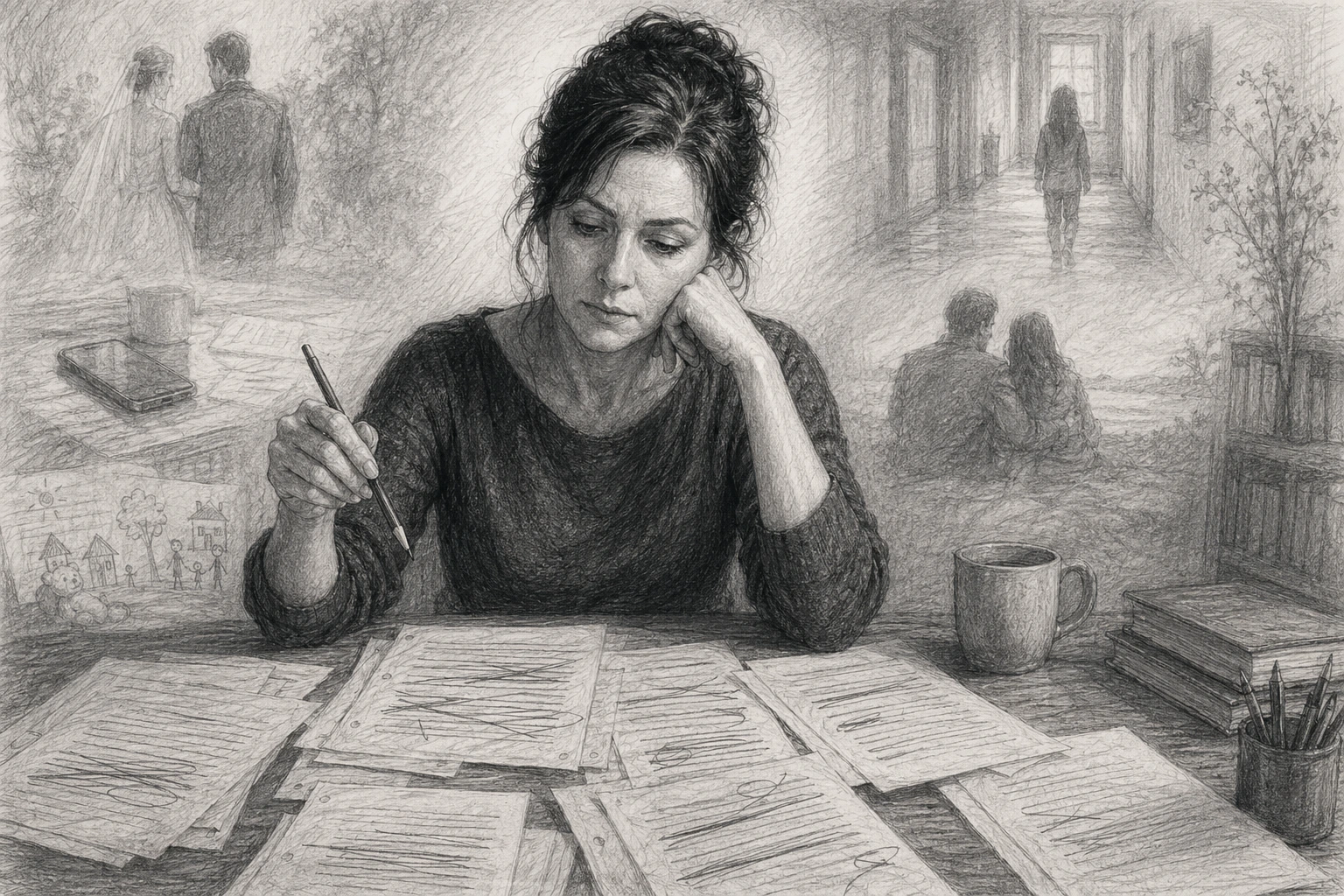
Therapist Lori Gottlieb once received a letter from a woman who believed her marriage was falling apart.
She had been married for ten years.
Things had been good, she said.
Then her husband stopped wanting sex as often.
Then she discovered he had been having long, late-night phone calls with a woman from work.
She googled the woman.
Gorgeous.
Her own father had once had an affair with a coworker and shattered their family.
Now it felt like history was coming for her too.
She already knew the story she was living inside.
Betrayal.
Humiliation.
The beginning of the end.
If she stayed, she would never trust him again.
If she left, her children would suffer through divorce.
What should she do?
It is easy to hear that story and assume you understand the plot.
Most of us would.
That is what makes Lori Gottlieb’s response so powerful.
She said every letter she receives is not just a set of facts.
It is also a story told by a specific narrator.
And every narrator, no matter how honest, is unreliable.
Not because they are lying.
Because they are telling the truth from inside their current point of view.
That is one of the hardest things to see about your own life.
You do not just live it.
You narrate it.
And over time, the narration starts to feel like reality.
You are not only carrying pain.
You are carrying a story about the pain.
Why you are stuck.
Why it is too late.
Who you have become because of it.
And if you repeat that story long enough, it stops feeling like one version.
It starts feeling like the only one.
Just because a story makes sense does not mean it is the whole truth.
Sometimes it is just the version you have told yourself the most.
Gottlieb asked us to imagine the husband’s version.
In that version, after his father died, his wife did not understand his grief.
She became critical.
He felt alone.
He began talking to a woman at work who had also lost her father.
Not because he wanted to destroy his marriage.
Because she understood the part of him that felt unseen.
Same marriage.
Same timeline.
Different story.
Suddenly, there was no clean villain.
No clean victim.
Just two hurting people narrating the same life from inside their own pain.
That does not mean the wife was wrong.
It means her story was partial.
And that distinction matters.
Pain narrows perspective.
It makes your version feel final.
Once you are inside that certainty, you stop asking better questions.
What am I leaving out?
What am I refusing to see?
What story am I telling that protects my pain but limits my freedom?
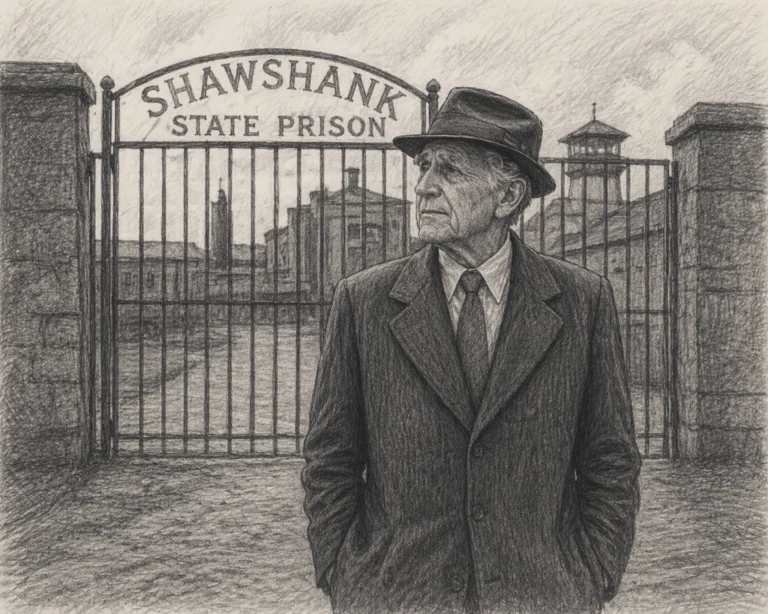
Gottlieb used a cartoon to explain this.
A prisoner is shaking the bars of a cell, desperate to escape.
But the sides of the cell are open.
There are no bars to the left or right.
He is not fully trapped.
He just has not turned his head.
That is what a story can do.
It can keep you shaking the same bars.
The same wound.
The same explanation.
The same identity.
And because the story once helped you survive, it can feel dangerous to question it.
But the story that kept you safe can also keep you small.
So before treating your current story as the whole truth, ask:
“What else could be true?”
And then:
“What would change if I told this story from another angle?”
Because the story you tell about your life does not only explain your past.
It shapes what your future is allowed to become.
The question is not only:
“What happened to me?”
The deeper question is:
“What story am I still living inside because of it?”
Inspired by Lori Gottlieb’s TED Talk, “How Changing Your Story Can Change Your Life.”