The Prison That Feels Like a Normal Life
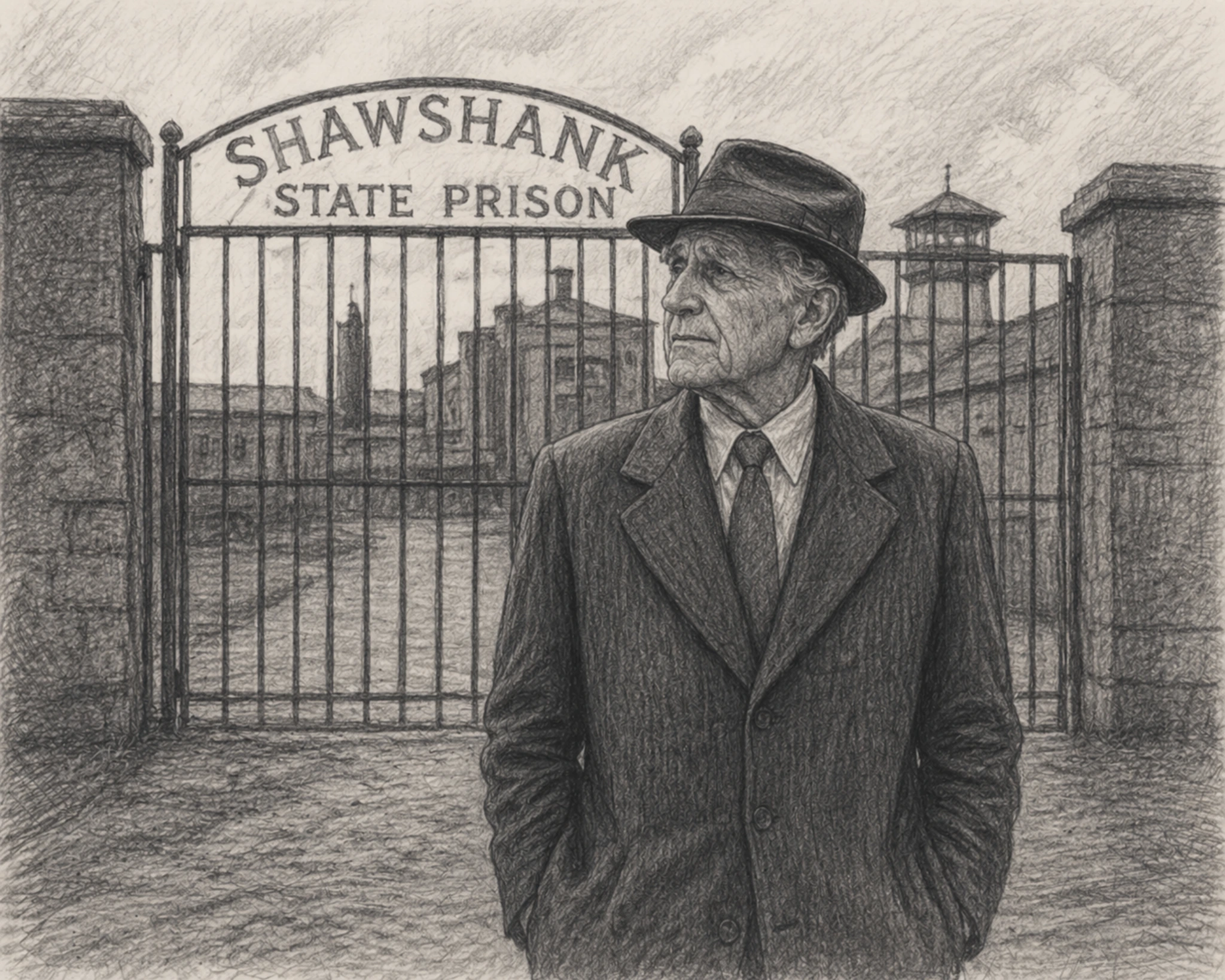
Brooks Hatlen spent fifty years inside Shawshank.
Fifty years.
Long enough for a prison to stop feeling like a sentence and start feeling like a world.
The days had shape.
Morning bells.
Meals.
Count times.
The same walls.
The same sounds.
The same slow passing of time.
And eventually, Brooks found his place inside it.
He became the librarian.
He knew the shelves.
The corners.
The men who wandered in.
And over time, something almost cruel happened.
The prison that confined him also gave his life structure.
A role.
A rhythm.
A place to stand.
Then one day, after half a century, they let him out.
That should have felt like freedom.
Instead, it felt like terror.
Outside the walls, the world moved too fast.
Cars rushed by.
People brushed past him.
Everything felt louder.
Colder.
Less familiar.
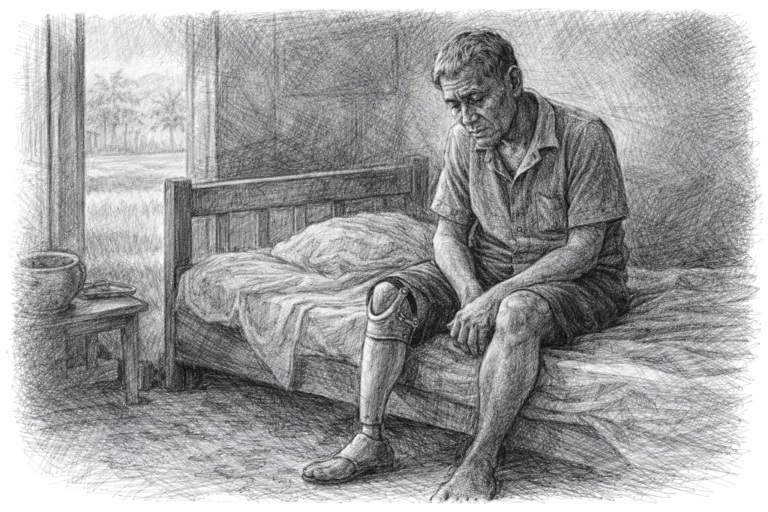
He got a room.
He got a job bagging groceries.
From the outside, it looked like a second chance.
But something in him could not catch up to it.
Inside Shawshank, he had been someone.
Outside, he did not know who that someone was anymore.
So before he died, he carved his name into the wood:
Brooks was here.
Not out of pride.
Maybe just to prove that underneath all those years of routine and role, there had still been a person.
And that is where the story stops being only about a man in prison.
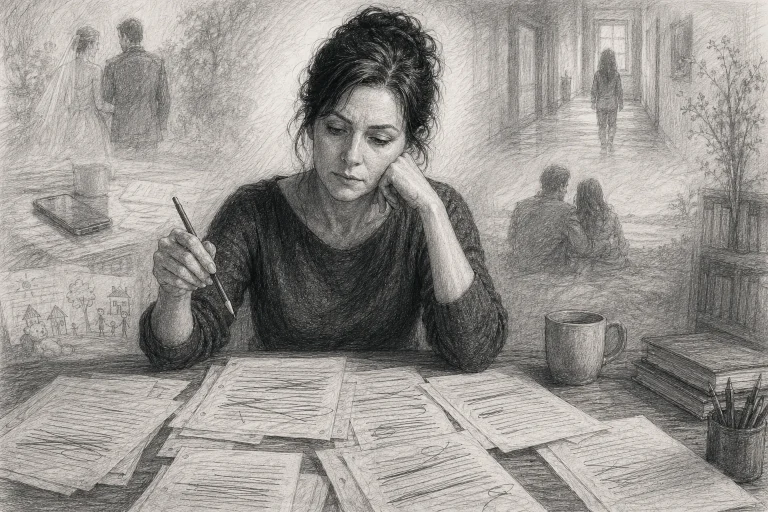
Because there is a quieter version of Brooks.
One who lives in a regular house.
Goes to work.
Pays the bills.
Answers messages.
Shows up where he is supposed to.
Nothing looks broken.
From the outside, the life works.
But from the inside, something stopped moving a long time ago.
You are functional.
Reliable.
Responsible.
The one who holds it together.
And you have done it for so long that holding it together became the whole point.
That is its own kind of prison.
Not four walls.
Not iron bars.
A life that looks like living, but stopped feeling like it somewhere along the way.
A role that keeps you useful while quietly keeping you frozen.
And because the life still works, you keep doubting the discomfort.
You tell yourself:
It is not that bad.
Other people have it worse.
This is what being responsible looks like.
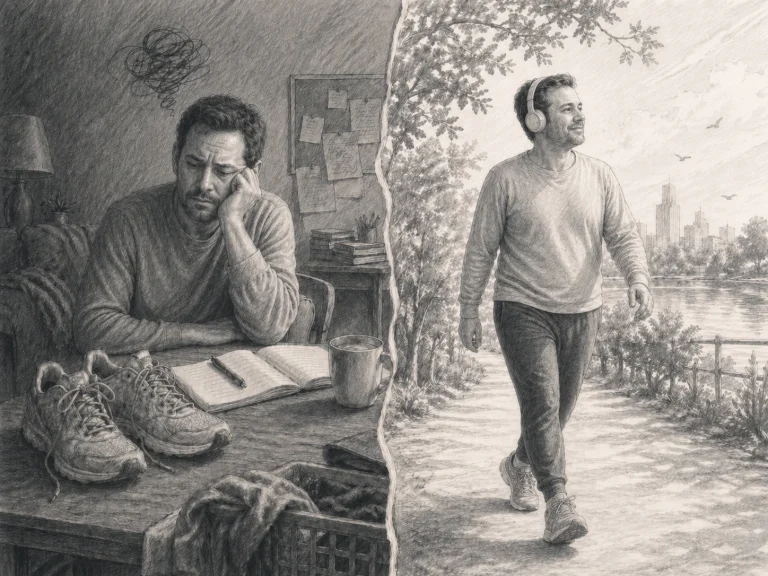
But sometimes the question is not whether your life works.
It is whether you are still alive inside it.
Brooks did not struggle because he was free.
He struggled because the structure that had shaped him for fifty years was gone.
That is what old patterns do.
Even when they limit you, they can feel familiar.
Even when they keep you small, they can feel safe.
Even when they hurt, they can give you a place to stand.
So leaving them can feel less like freedom at first.
It can feel like losing the self you knew how to be.
That is why change is not only about choosing something new.
It is also about grieving the role that helped you survive.
The reliable one.
The one who never asks for too much.
The one who keeps everything together.
The one who does not risk getting it wrong.
Those roles may have protected you once.
But protection can become a prison when it keeps you from living.
So maybe the question is not:
“What should I do next?”
Maybe the deeper question is:
“What role have I mistaken for who I am?”
And then:
“What would I do differently if I stopped being afraid of getting it wrong?”
Because a life can look stable and still feel too small.
A role can make you useful and still keep you hidden.
And a pattern can feel like safety long after it has stopped being freedom.
Brooks waited until there was almost nothing left to prove.
The question is how much of your life you are willing to spend waiting.