Why Staying Small Doesn’t Actually Keep You Safe
Brené Brown had just done something she had never done before.
Her TED talk had gone viral.
Suddenly, she was everywhere.
CNN.
NPR.
The kind of visibility she had spent years studying in other people had landed on her.
Her therapist told her not to read the comments.
Her husband told her not to read the comments.
But she read the comments.
And what she found was not criticism of her research.
It was personal.
The kind of personal that goes straight to the thing you are most afraid might be true about you.
So she did what many people do after being seen and wounded by it.
She disappeared.
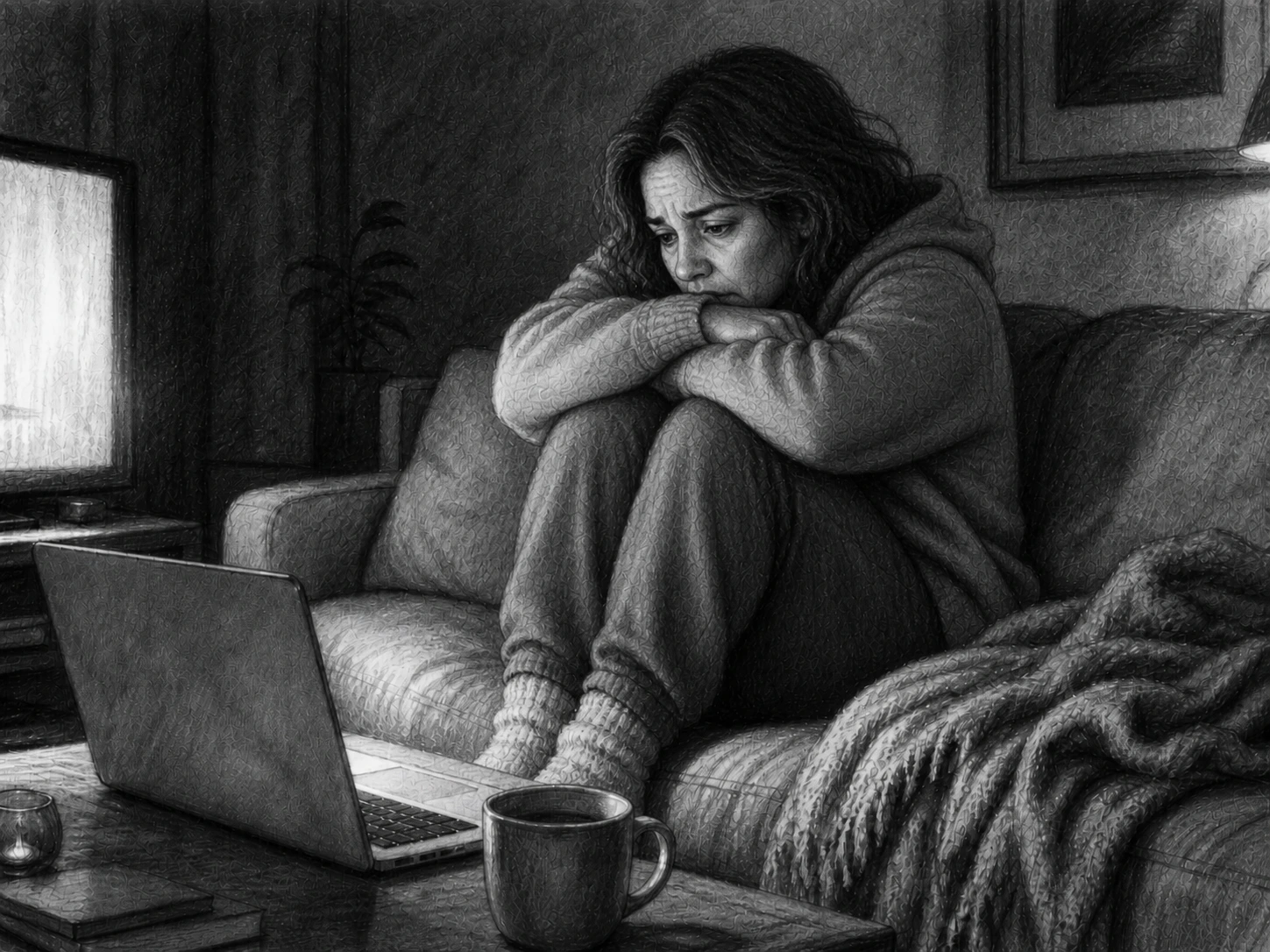
She sent her family off for the day.
Got on the couch.
And watched eight hours of Downton Abbey.
When it ended, she kept the numbing going.
Anything to stay away from what the comments had stirred up.
Away from the visibility.
Away from what it had cost to be seen.
You may know that feeling.
Not from online comments, necessarily.
But from the moment you put something real into the world and the response made you want to pull it back.
An idea you shared that landed badly.
A project that did not work.
A version of yourself you let someone see and then wished you had not.
A moment when being visible cost more than you expected.
So you made yourself smaller.
Not dramatically.
Just quietly.
You stopped sharing the idea.
Stopped showing the work.
Stopped risking the honest version of yourself.
And called it caution.
But then Brown found a line from Theodore Roosevelt’s “Man in the Arena” speech.
The credit does not belong to the critic in the seats.
It belongs to the person in the arena.
The one trying.
Risking.
Getting hurt.
Showing up anyway.
Something shifted.
Not because criticism stopped hurting.
But because she saw where criticism belonged.
Vulnerability is not about winning.
It is not about being liked.
It is not about getting through life untouched.
It is about showing up and being seen.
And if you are truly seen, you will not always be understood.
You will not always be praised.
You will not always be safe.
That does not mean something went wrong.
It may simply mean you were actually in the arena.
That distinction matters.
Because the critics are in the seats whether you step forward or not.
The doubt is there whether you try or not.
The risk does not disappear just because you stay small.
You only lose the chance for anything meaningful to happen.
Brown’s rule became simple:
If you are not also in the arena getting hurt, you do not get to control the work.
Not because feedback never matters.
But because there is a difference between someone who is also trying and someone criticizing safely from the seats.
The voice from the seats can stay.
It gets a seat.
It does not get the steering wheel.
So if you have been making yourself smaller, ask:
“Whose voice have I given the steering wheel to?”
And then:
“Are they actually in the arena?”
Because staying hidden may protect you from some pain.
But it also protects you from being fully alive.
The question is not whether the arena is safe.
It is not.
The question is whether the careful, edited life outside the arena is really safer.
Or whether it just leaves you with a different kind of hurt.
The kind that asks, years later:
“What would have happened if I had shown up?”
Inspired by Brené Brown’s 99U talk and Theodore Roosevelt’s “Man in the Arena” speech.
Brené Brown explores this beautifully in Daring Greatly — a book about what it really means to live, love, lead, and create with courage.