What Happens When You Never Ask Why You Do What You Do
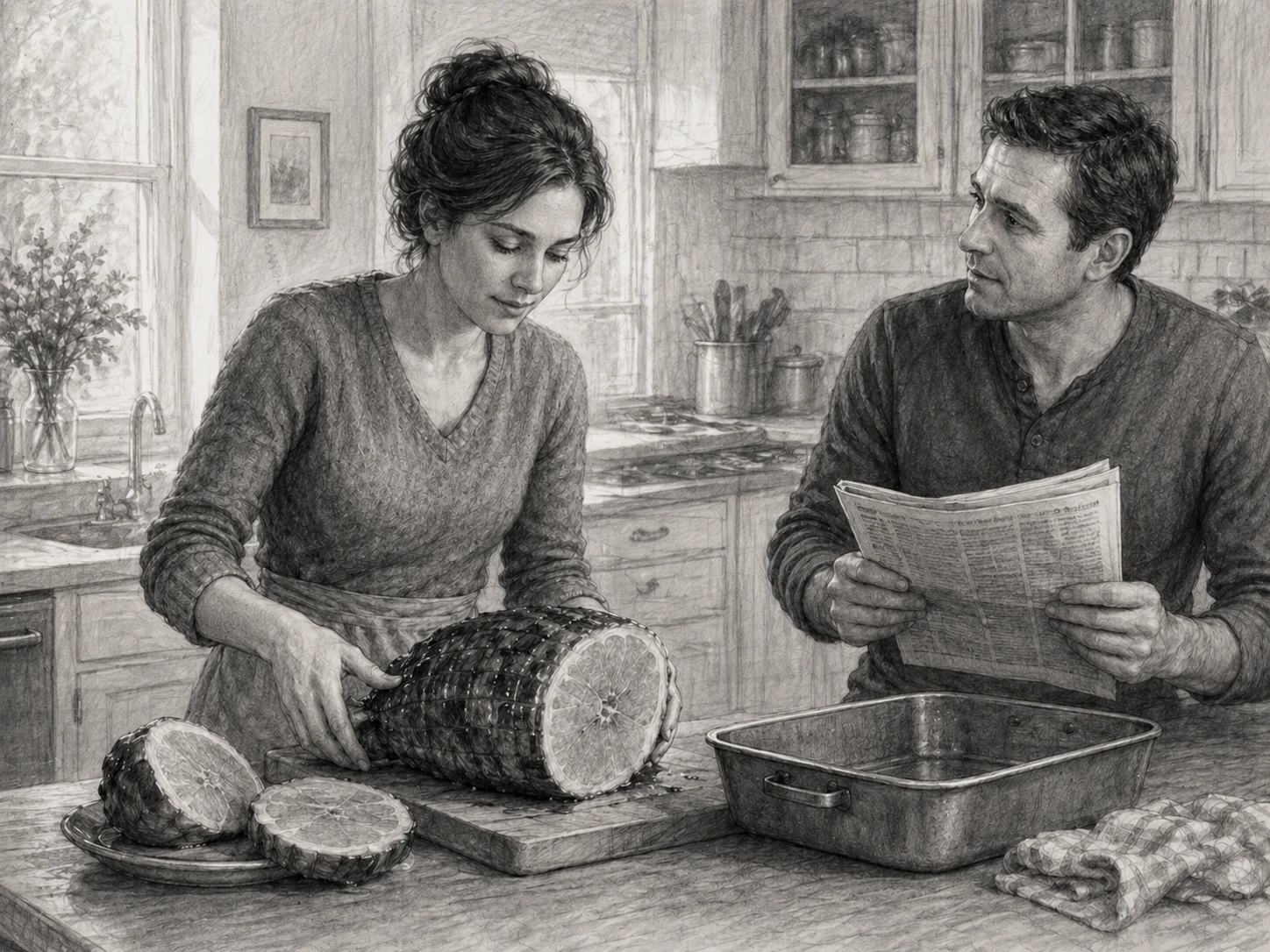
A young woman was preparing a ham for dinner.
Before placing it in the pan, she sliced off both ends.
Her husband watched.
“Why do you do that?” he asked. “That’s good ham.”
She paused.
“That’s how my mother always did it.”
So she called her mother.
Her mother said the same thing:
“That’s how my mother always did it.”
So she called her grandmother.
Her grandmother was quiet for a moment.
Then she said:
“So it would fit in the pan.”
That was it.
A pan from another kitchen.
Another time.
Another life.
Two generations kept following a rule without knowing why it existed.
You may not be cutting the ends off a ham.
But somewhere in your life, you may be following a rule you never chose.
What success should look like.
What a good life should require.
What kind of person you’re supposed to become.
What you’re allowed to want.
What you’re supposed to sacrifice.
Some of those beliefs may have made sense for the people who gave them to you.
Their lives were different.
Their fears were different.
Their constraints were different.
But if you never ask why, you may spend years living by answers that no longer fit the question.
That is how inherited beliefs work.
They don’t always feel like beliefs.
They feel like truth.
Like responsibility.
Like loyalty.
Like “this is just how things are done.”
But your life may not require the same solution.
Before following an old rule, ask:
“Does this still fit the life I’m actually living?”
And maybe the deeper question is:
“Whose pan am I cooking for?”
Because not every tradition is wrong.
Not every inherited belief needs to be rejected.
But every belief deserves to be examined before it gets to shape your life.
Sometimes freedom begins with one simple question:
“Why am I still doing it this way?”
This story circulates widely in business and management literature as an illustration of unexamined processes. Its precise origin and authorship are unknown.